Підручник Англійська мова 5 клас (5-й рік навчання) - А.М. Несвіт - Генеза 2018 рік
Unit 2. The Clothes We Wear
Lesson 8
1. a) Work individually. Write a list of questions to ask your friend about his / her favourite clothes.
Example:
What colour of clothes do you like to wear?
What do you wear at school? At parties?
b) Work in pairs. Take turns to ask and answer the questions.
Example:
A: Do you like to wear jeans?
B: Yes, I do. I think they are quite comfortable.
A: When do you usually wear them?
B: At the weekend or after school.
A: I wear jeans when I go on a picnic.
2. Look, listen and match. Then act out the dialogues.

1.
A: I really like your …?
B: Thank you.
A: Where did you get it / them?
B: It’s my granny’s birthday present.
2.
A: Are those new shoes?
B: Yes, they are.
A: They’re very nice.
B: Thanks.

3.
A: What’s the weather like today?
B: It’s cool / cold / warm.
A: I think I’ll wear my … .
4.
A: I can’t find my new … (jacket).
B: Have you looked in the bedroom wardrobe?
A: Yes, I have.
B: Then it’s probably in the hall wardrobe.
3. Look, listen and repeat. Then practise the words as in the example.

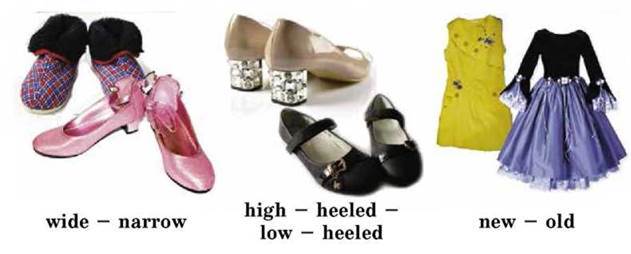
Example:
A: Are the sleeves too long?
B: No, they are too short.
Conversation Lab
6. Speak in class. Describe your favourite clothing. Start like this:
When I am having a rest at home or playing out with my friends, I wear comfortable clothes like T-shirts, jeans and trainers.
7. Write down questions and short answers to the following sentences.
1. My brother doesn’t like to wear loose clothing.
2. My mother usually wears high-heeled shoes in her office.
3. I’m going to the fancy dress ball as Mickey Mouse.
4. This dark tie matches your new suit.
Перша публікація: 01/01/2018
Останнє оновлення: 31/12/2023
Редакційна та навчальна адаптація: Даний матеріал зведено на основі першоджерела/оригінального тексту. Команда проєкту здійснила редакційне оглядове опрацювання, виправлення технічних неточностей, структурування розділів та адаптацію змісту до навчального формату.
Що було опрацьовано:
- усунення форматних дефектів (OCR-помилки, розриви структури, дефектні символи);
- редакційне упорядкування змісту;
- уніфікація термінів відповідно до академічних джерел;
- перевірка відповідності фактичних тверджень тексту першоджерела.
Усі згадки про автора, рік видання та походження первинного тексту збережено відповідно до джерела.